Alexanders
Smyrnium olusatrum
Dangerous look-alikesOut of seasonCan be confused with seriously poisonous species. Learn the look-alikes first.
Is alexanders in season now?
As of : No: alexanders is out of season in the UK. Its season runs from January to May. It can be confused with hemlock water-dropwort and hemlock, which are poisonous: check every find with an expert before eating it.

A stout, glossy, yellow-green umbellifer up to 1.5 m tall that lines coastal lanes, cliffs and hedge banks, mostly within a few miles of the sea. The leaves are divided into broad, toothed leaflets in threes, the flowers are yellow-green (not white) and the seeds ripen black. It has a strong celery-and-myrrh smell. It belongs to the carrot family, which includes Britain's deadliest plants, hemlock and hemlock water-dropwort, so every feature must match before it is picked.
Parts gathered: young stems, leaves, flower buds, seeds.
Season
January to May
Taller bars are the months with most records across the UK. The south usually runs a week or two ahead of the north.
Habitat
- Found in grassland and pasture, scrub, hedges and heath and towns, parks, gardens and waste ground.
- Prefers lime-rich soils.
- Mostly below about 150 m.


Where it is likely right now
Forecast for Wednesday 11 November. Zoom in for 5 km² detail, or open it on the full map.
It is not forecast anywhere in the UK today: it is out of season.
Look-alikes: tell them apart
Check every one of these before you pick. One matching feature is not enough: they all have to match. If you cannot tell them apart with confidence, leave it.

- Yellow-green, March to JuneWhite, June and July
- Glossy dark green, divided into broad, bluntly toothed leaflets in threesDivided several times into small, wedge-shaped leaflets, like flat-leaved parsley
- Dry banks, lanes, cliffs and hedge feet near the seaWet ground: ditches, stream sides and marshy meadows
- One stout taprootA bunch of pale, swollen, finger-like tubers
- Black when ripePale brown
AlexandersHemlock water-dropwort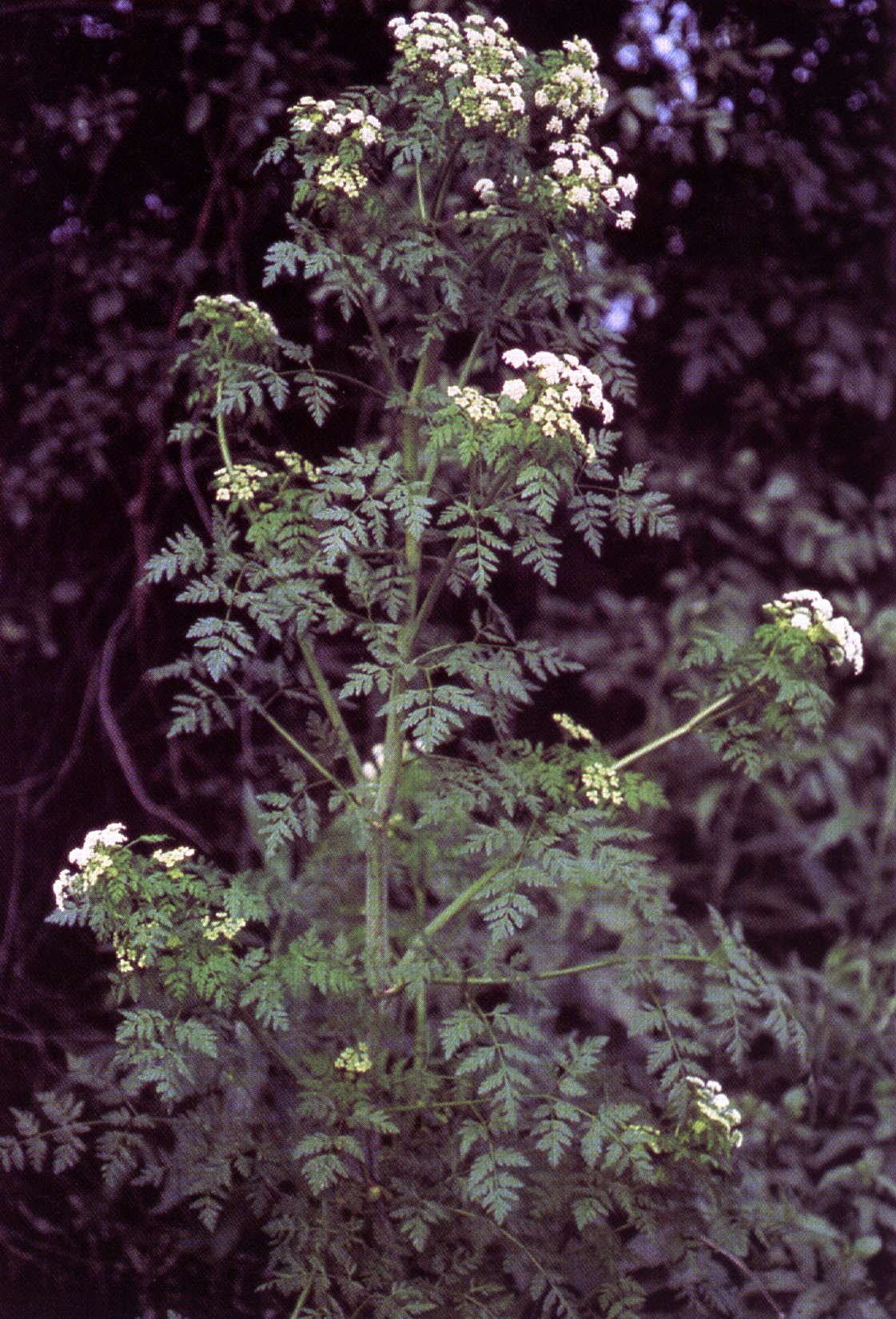
- Green and ridged, with no blotchesSmooth and hollow, with purple blotches
- Broad, glossy leaflets in threesFinely cut and ferny
- Yellow-greenWhite
- Aromatic, like celeryMousy and unpleasant
AlexandersHemlock
More field guides
A good book helps you learn what to look for. It is no substitute for checking a find with an expert. We earn a commission if you buy through these links, at no extra cost to you.

The Forager Handbook
A guide to the edible plants of Britain
Miles Irving (Ebury Press)
A plant-by-plant guide to the wild food plants of Britain.
Buy on Bookshop.org
The Forager's Calendar
A seasonal guide to nature's wild harvests
John Wright (Profile Books)
A month-by-month guide to what to look for through the year in Britain.
Buy on Bookshop.orgQuestions about alexanders
- When is alexanders in season in the UK?
- Alexanders is in season in the UK from January to May, and is usually at its best in April and May. The south usually runs a week or two ahead of the north.
- Where does alexanders grow?
- Found in grassland and pasture, scrub, hedges and heath and towns, parks, gardens and waste ground. Prefers lime-rich soils. Mostly below about 150 m.
- What can alexanders be confused with?
- Alexanders can be confused with hemlock water-dropwort (poisonous) and hemlock (poisonous). One matching feature is never enough: check every one, and confirm every find with an expert before eating it.