Start here
Foraging is not hard, and it is not a gamble either, if you go about it in the right order. This is the order.
- 1
Certain, or it stays where it is
Not “pretty sure”. Not “it looks like the photo”. If every feature does not match, leave it. Nobody was ever poisoned by the mushroom they walked past.
- 2
Learn the killers before the dinners
There are only a few truly deadly species in Britain. Know them on sight and most of the danger is gone. They are listed below.
- 3
One new species at a time, with someone who knows
A book and a website will get you most of the way. The last step is a person: a local fungus group, a guided walk, a forager who has eaten it for years.
Begin with these
Plants, berries and nuts you half know already. None has a close dangerous look-alike listed here, which is why they come first. Each still needs checking against its page: “commonly foraged” is not the same as “cannot go wrong”.


Leave the mushrooms for a season
Most of the serious poisonings among foragers in Britain involve mushrooms. That is not a reason never to pick one; it is a reason not to start there. Spend a first autumn finding fungi and naming them without eating any. Go out with a local fungus group (most counties have one, and they are glad of new faces). By the second autumn you will have a much better idea of what you are looking at.
When you do start, start with the ones that are hardest to mistake: a giant puffball the size of a football, a hedgehog fungus with spines where the gills should be. Even those have their checks, so read tell them apart first.
The deadly few
Learn these before you learn anything you mean to eat. Each page shows what it looks like, when it is about, and what it is mistaken for.
 Death capAmanita phalloidesPoisonous
 Destroying angelAmanita virosaPoisonous
 Funeral bellGalerina marginataPoisonous
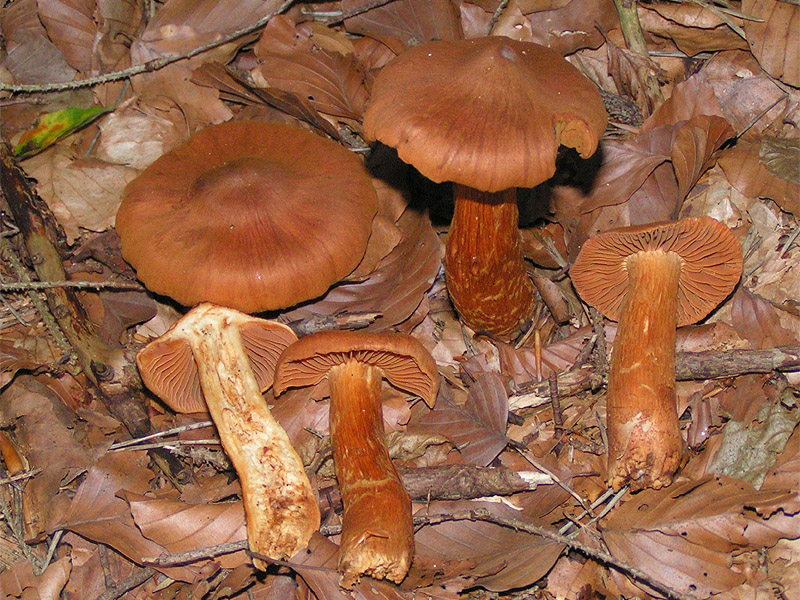 Deadly webcapCortinarius rubellusPoisonous
 Deadly fibrecapInosperma erubescensPoisonous
 Hemlock water-dropwortOenanthe crocataPoisonous
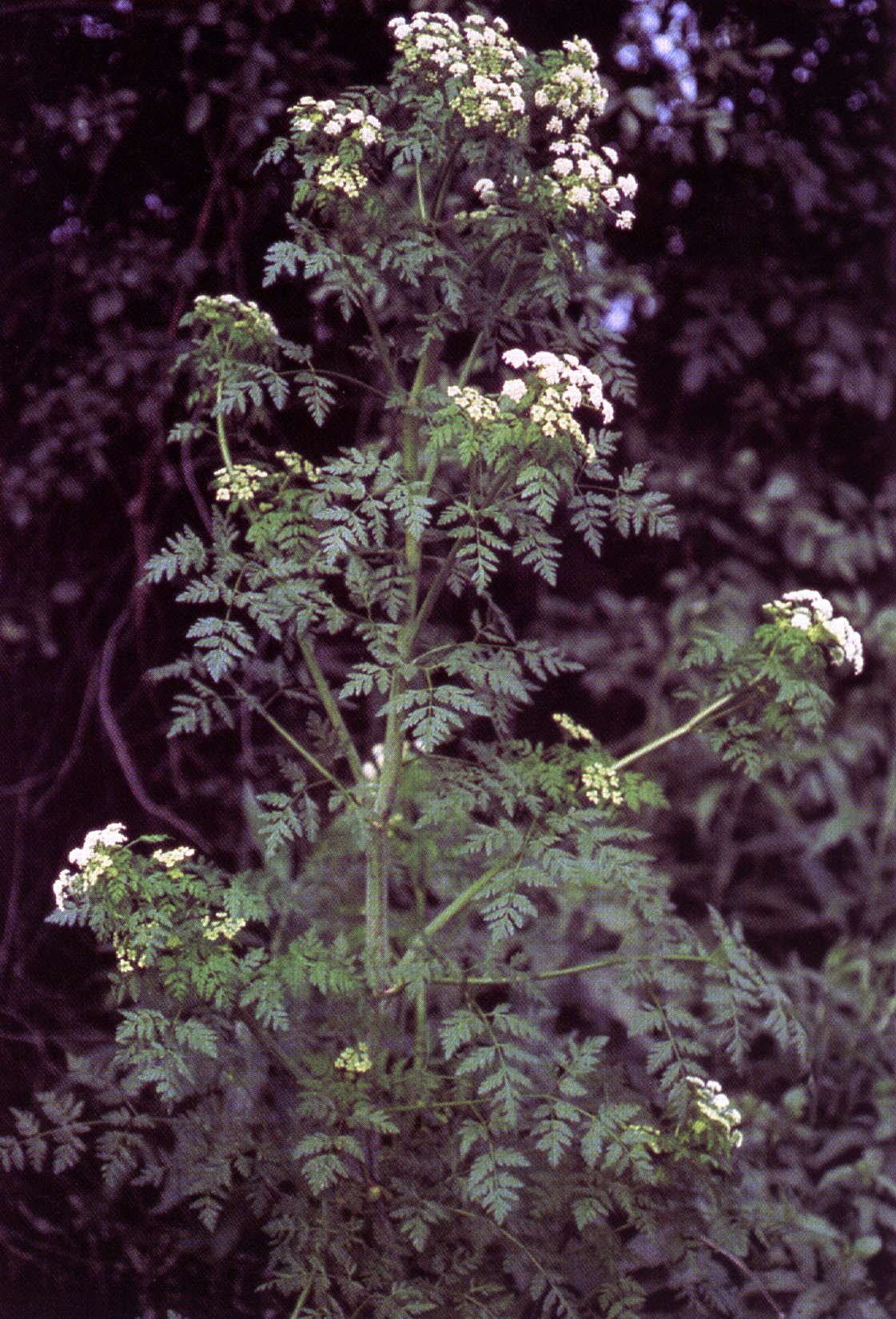 HemlockConium maculatumPoisonous
 Deadly nightshadeAtropa belladonnaPoisonous
What to take
- A basket or a cloth bag. Plastic bags turn a good find to mush by the car park.
- A small knife and a soft brush, so you can clean things where they grew.
- A hand lens. Half of identification is smaller than you can see.
- A field guide for your part of the world, on paper. Phones die in the rain.
- Something to keep uncertain finds apart from certain ones. One wrong mushroom in the basket spoils the lot.
The law, in four lines
- Picking wild fruit, leaves, flowers and fungi for yourself is generally not theft. Picking to sell is.
- You may not uproot any wild plant without the landowner's permission.
- None of that gives you a right to be on the land, and many woods, commons and reserves ban picking through their own byelaws. Read the sign.
- Some species are protected, and one in this guide, the liberty cap, is illegal to pick or possess at all.
The law differs between the four nations. The longer version, which is still not legal advice, is on the law page.
Then use the forecast
- Open the map and tap where you live. It names what is worth looking for within a few miles and which day of the next ten is best.
- Pick one species from the list. Read its page, twice, look-alikes first.
- Go and find it. Photograph it where it grows. Take one home to study.
- Have someone who knows it confirm it before any of it is eaten.
The forecast tells you where and when a species is likely. It can never tell you what you have found. See how good it is, and the safety guide.