Cleavers
Galium aparine
Also called goosegrass, sticky willy, sticky weed.
Commonly foragedOut of seasonNo close dangerous look-alike is listed, but every find still needs checking.
Is cleavers in season now?
As of : No: cleavers is out of season in the UK. Its season runs from February to May. Check every find with an expert before eating it.


The scrambling "sticky weed" of hedges and field edges: weak, square stems with whorls of six to eight narrow leaves, all covered in tiny hooked hairs that cling to clothes. Only the soft young shoots of early spring are used, before the plant turns stringy and sets its round, burr seeds.
Parts gathered: young shoots.
Season
February to May
Taller bars are the months with most records across the UK. The south usually runs a week or two ahead of the north.
Habitat
- Found in woodland and trees, scrub, hedges and heath, farmland and field edges and grassland and pasture.
- Mostly below about 400 m.
Where it is likely right now
Forecast for Wednesday 11 November. Zoom in for 5 km² detail, or open it on the full map.
It is not forecast anywhere in the UK today: it is out of season.
Look-alikes: tell them apart
No look-alike is listed here. That is not a promise that there are none.
More field guides
A good book helps you learn what to look for. It is no substitute for checking a find with an expert. We earn a commission if you buy through these links, at no extra cost to you.
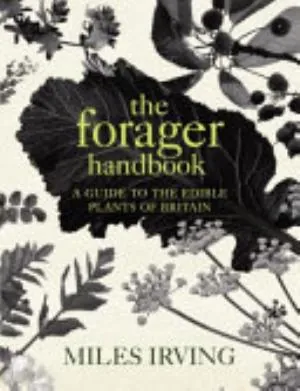
The Forager Handbook
A guide to the edible plants of Britain
Miles Irving (Ebury Press)
A plant-by-plant guide to the wild food plants of Britain.
Buy on Bookshop.org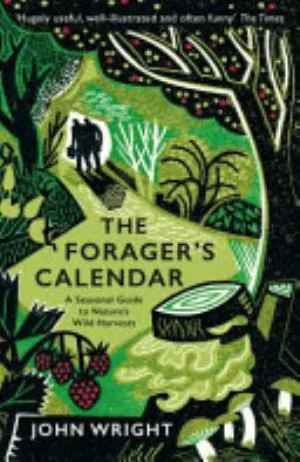
The Forager's Calendar
A seasonal guide to nature's wild harvests
John Wright (Profile Books)
A month-by-month guide to what to look for through the year in Britain.
Buy on Bookshop.orgQuestions about cleavers
- When is cleavers in season in the UK?
- Cleavers is in season in the UK from February to May, and is usually at its best in April and May. The south usually runs a week or two ahead of the north.
- Where does cleavers grow?
- Found in woodland and trees, scrub, hedges and heath, farmland and field edges and grassland and pasture. Mostly below about 400 m.