Sweet chestnut
Castanea sativa
Take careNearly overNeeds care with identification, preparation or how much is eaten.
Is sweet chestnut in season now?
As of : Only just: sweet chestnut is nearly over for the year in the UK. Its season runs from October to November. Today's forecast is highest in Surrey. It can be confused with horse chestnut, which is poisonous: check every find with an expert before eating it.

A large tree with spirally ridged bark and long, single, glossy leaves edged with saw teeth. The nuts come two or three together in a husk covered in dense, fine, needle-sharp spines; each nut is flattened on one side and ends in a tufted point. Horse chestnut conkers are poisonous: their husk is thick and leathery with a few short, stubby spikes, the conker is round and glossy with no point, and the leaves are hand-shaped.
Parts gathered: nuts.
Season
October to November
Taller bars are the months with most records across the UK. The south usually runs a week or two ahead of the north.
Habitat
- Found in woodland and trees.
- Grows with sweet chestnut.
- Commonest on sandstone, soft clays and sands and mudstone and shale.
- Prefers acid soils.
- Mostly below about 300 m.


Where it is likely right now
Forecast for Wednesday 11 November. Zoom in for 5 km² detail, or open it on the full map.
Best counties today
- SurreySlim22
- Greater LondonSlim19
- East SussexSlim16
- KentSlim16
- West SussexSlim15
- MonmouthshireSlim14
- HampshireSlim14
- HerefordshireSlim13
- Dumfries and GallowaySlim13
- South YorkshireSlim13
- West BerkshireSlim13
- Fermanagh and OmaghSlim12
Look-alikes: tell them apart
Check every one of these before you pick. One matching feature is not enough: they all have to match. If you cannot tell them apart with confidence, leave it.

- A dense ball of fine, needle-sharp spines, like a small hedgehogThick, leathery and green, with a few short, stout spikes
- Flattened on one side with a pointed, tufted tip; two or three in a huskRound and glossy with a large pale scar and no point; usually one in a husk
- Single long leaves with saw-toothed edgesHand-shaped: five to seven leaflets from one point
Sweet chestnutHorse chestnut
More field guides
A good book helps you learn what to look for. It is no substitute for checking a find with an expert. We earn a commission if you buy through these links, at no extra cost to you.

Food for Free
50th anniversary edition
Richard Mabey (William Collins)
The classic guide to Britain's wild food, first published in 1972.
Buy on Bookshop.org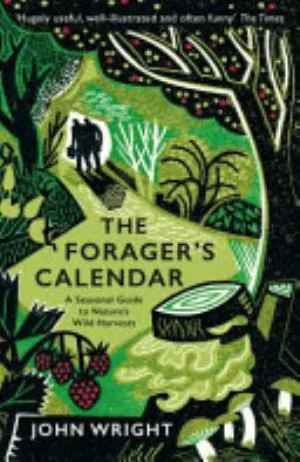
The Forager's Calendar
A seasonal guide to nature's wild harvests
John Wright (Profile Books)
A month-by-month guide to what to look for through the year in Britain.
Buy on Bookshop.orgQuestions about sweet chestnut
- When is sweet chestnut in season in the UK?
- Sweet chestnut is in season in the UK from October to November, and is usually at its best in October. The south usually runs a week or two ahead of the north.
- Where does sweet chestnut grow?
- Found in woodland and trees. Grows with sweet chestnut. Commonest on sandstone, soft clays and sands and mudstone and shale. Prefers acid soils. Mostly below about 300 m.
- What can sweet chestnut be confused with?
- Sweet chestnut can be confused with horse chestnut (poisonous). One matching feature is never enough: check every one, and confirm every find with an expert before eating it.