What to forage in June in the UK
What can you forage in June in the UK?
In June the main things to forage in the UK are elderflower, nettle, sea beet, sorrel, dulse and kelp. 16 of the species in this guide are in season: 4 mushrooms, 4 wild plants, 1 berry, fruit or nut and 7 coastal species. Check every find with an expert before eating it.
Elderflower month. The creamy heads are at their best on a dry sunny morning, from early June in the south to early July in the north. The first wild raspberries ripen late in the month, marsh samphire is tender on the saltmarsh, and after warm rain the first field mushrooms and giant puffballs appear in old pasture.
At their best in June
 ElderflowerSambucus nigraTake careAt its best
 NettleUrtica dioicaCommonly foragedAt its best
 Sea beetBeta vulgaris subsp. maritimaCommonly foragedAt its best
 SorrelRumex acetosaDangerous look-alikesAt its best
 DulsePalmaria palmataTake careAt its best
 KelpLaminaria digitataTake careAt its best
 Wild raspberryRubus idaeusCommonly foragedAt its best
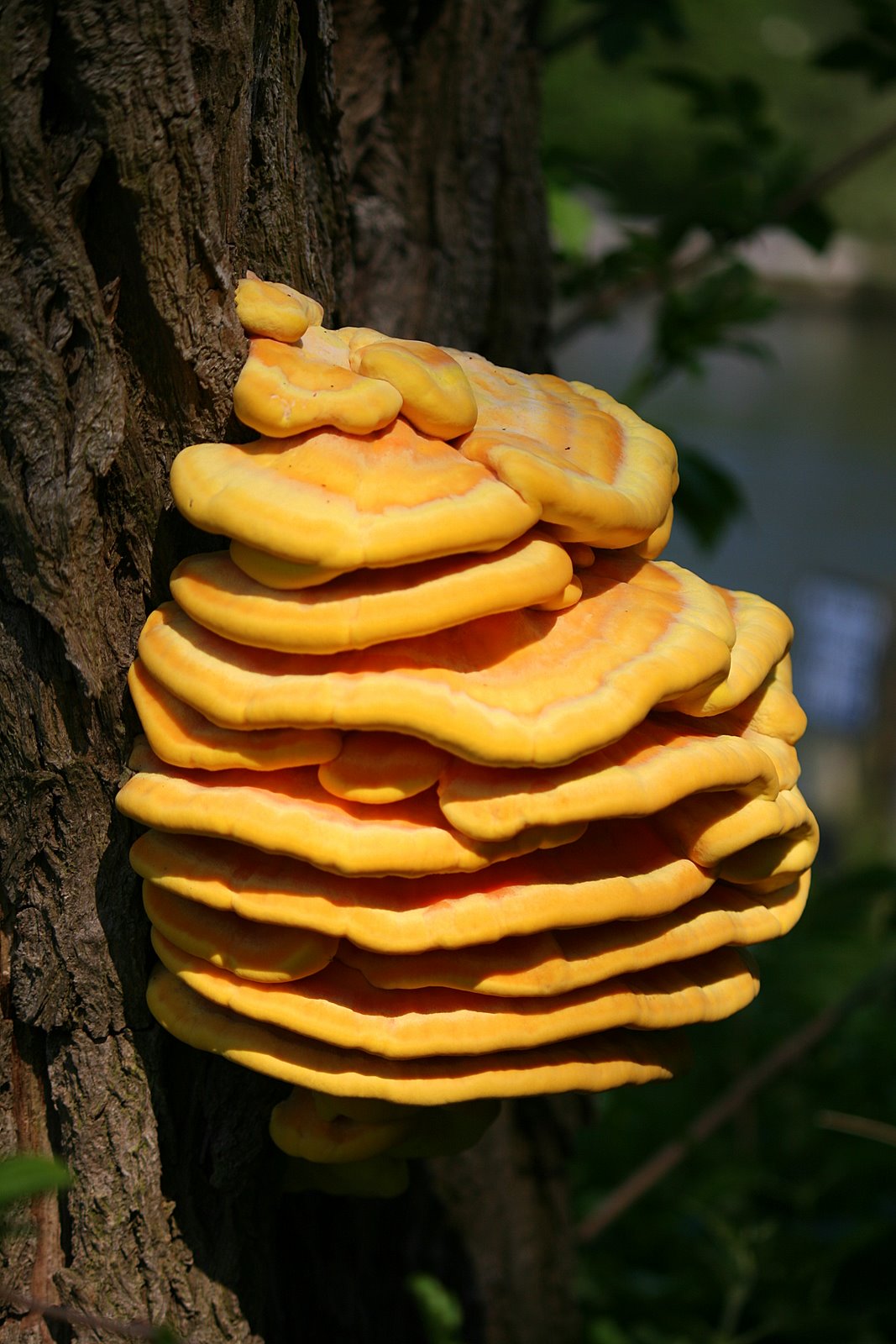
Mushrooms in June


Plants in June

Berries & Nuts in June
Coastal in June
- Sea beetBeta vulgaris subsp. maritimaCommonly foragedAt its best
- DulsePalmaria palmataTake careAt its best
- KelpLaminaria digitataTake careAt its best
 LaverPorphyra umbilicalisTake careAll year
 Sea purslaneAtriplex portulacoidesCommonly foragedAll year
 Rock samphireCrithmum maritimumTake careStarting
 Marsh samphireSalicornia europaea agg.Commonly foragedStarting
Where to look
Hedges and wood edges for elder; open woodland rides and upland banks for raspberries; the muddy upper saltmarsh for marsh samphire, cut with scissors and never uprooted.
The south and the coast usually run a week or two ahead of the north and the hills. The seasonal calendar shows every species across the whole year.
Take care in June
Summer brings out the white mushrooms of grassland, and with them the yellow stainer, said to cause more mushroom poisonings in Britain than any other species. Scratch the edge of the cap and the very base of the stem: bright chrome yellow means leave it.

St George's mushroom or livid pinkgill?
Poisonous
- SpringLate summer and autumn
- White to creamYellowish at first, then salmon pink
- WhitePink
- MealyAlso mealy, so smell will not separate them
- Grassland, verges and wood edgesUnder oak and beech, often on clay
St George's mushroomLivid pinkgillElderflower or dwarf elder?
Poisonous
- Woody, with a trunk and barkSoft green stems from the ground each year, with no trunk
- Five to sevenSeven to thirteen, narrower
- Cream, with yellow anthersWhite tinged pink, with purple anthers
ElderflowerDwarf elder
Also about in June: know these and leave them
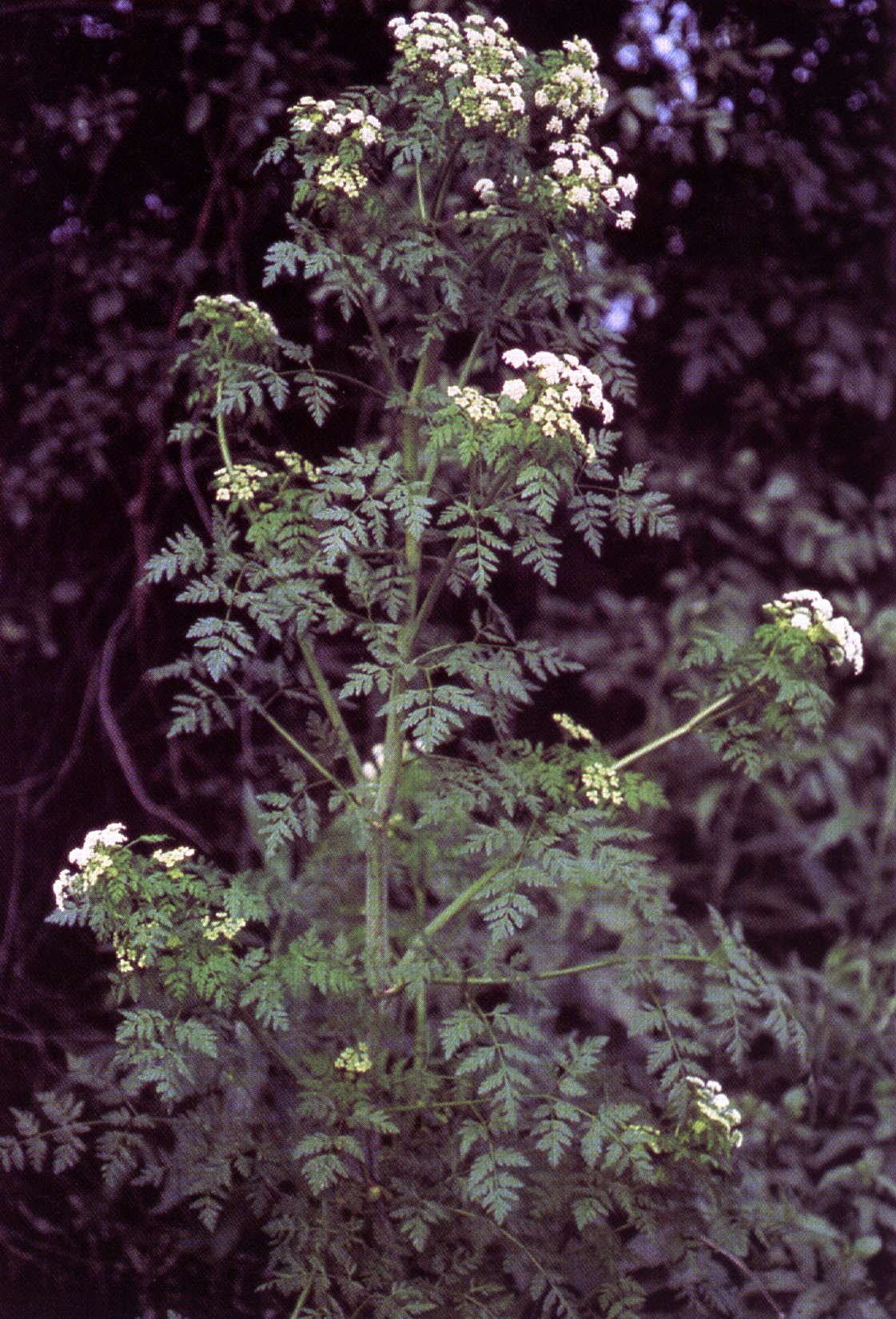
Poisonous. They are here so that you can recognise them, not to gather them.



Questions about foraging in June
- What mushrooms are in season in June?
- Mushrooms in season in the UK in June include chicken of the woods, st George's mushroom, jelly ear and field mushroom. When they fruit depends on the weather: most need a good soaking one to three weeks beforehand.
- What should foragers watch out for in June?
- Summer brings out the white mushrooms of grassland, and with them the yellow stainer, said to cause more mushroom poisonings in Britain than any other species. Scratch the edge of the cap and the very base of the stem: bright chrome yellow means leave it. Poisonous species about in June include deadly fibrecap, hemlock, hemlock water-dropwort, lords-and-ladies, lily of the valley and yellow stainer.