What to forage in May in the UK
What can you forage in May in the UK?
In May the main things to forage in the UK are alexanders, cleavers, hawthorn, pepper dulse, st George's mushroom and three-cornered leek. 20 of the species in this guide are in season: 4 mushrooms, 9 wild plants and 7 coastal species. Check every find with an expert before eating it.
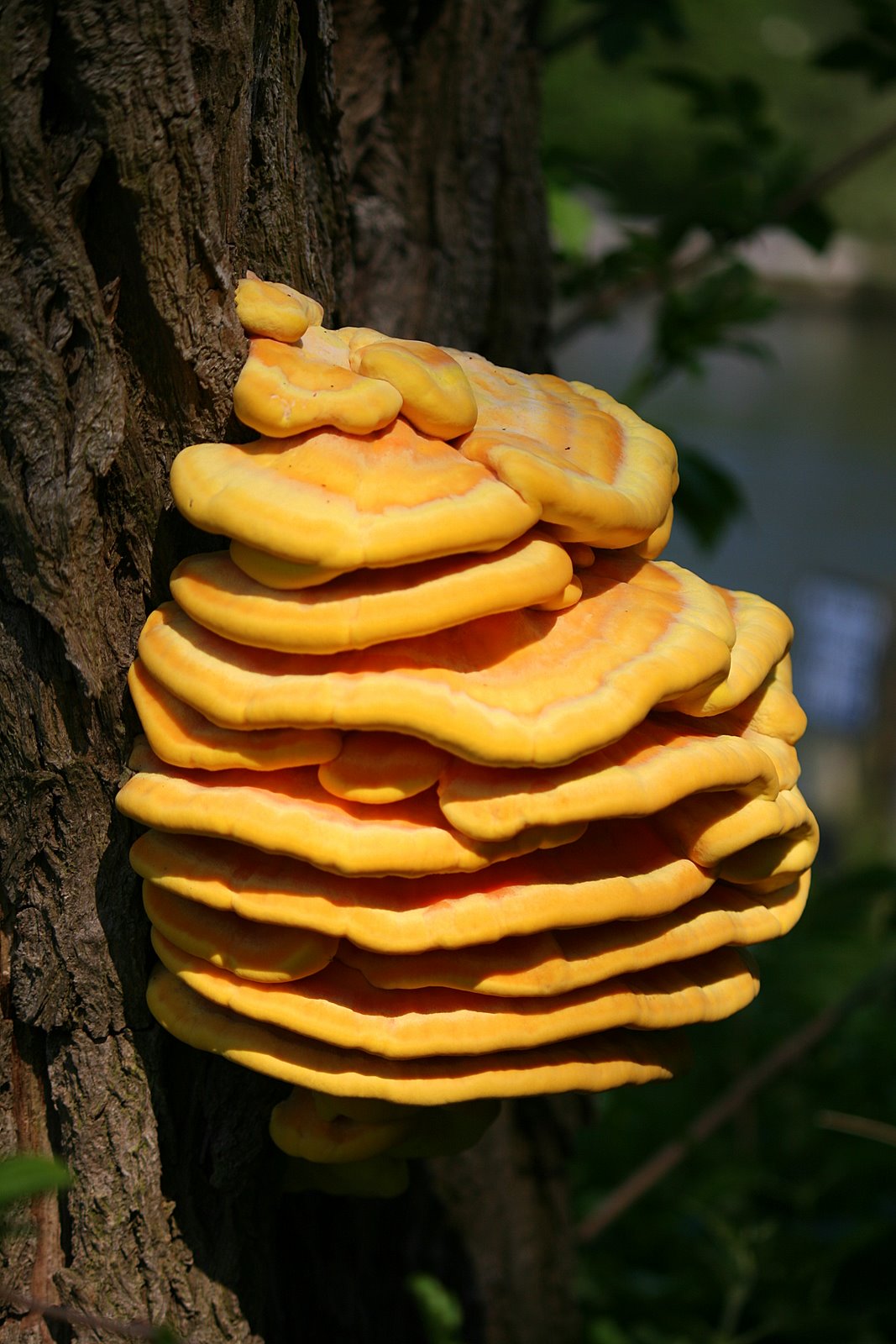
The hinge of the year. Wild garlic is going over, though its flowers and seed pods are still about, and elderflower opens in the south in the last week or two. St George's mushroom carries on, the first chicken of the woods appears on oak and sweet chestnut, and rock samphire and sea beet are growing well on the coast.
At their best in May
 AlexandersSmyrnium olusatrumDangerous look-alikesAt its best
 CleaversGalium aparineCommonly foragedAt its best
 HawthornCrataegus monogynaCommonly foragedAt its best
 Pepper dulseOsmundea pinnatifidaTake careAt its best
 St George's mushroomCalocybe gambosaDangerous look-alikesAt its best
 Three-cornered leekAllium triquetrumTake careAt its best
 Wild garlicAllium ursinumDangerous look-alikesAt its best
 DandelionTaraxacum officinale agg.Commonly foragedAt its best
 NettleUrtica dioicaCommonly foragedAt its best
Mushrooms in May


Plants in May
- AlexandersSmyrnium olusatrumDangerous look-alikesAt its best
- CleaversGalium aparineCommonly foragedAt its best
- HawthornCrataegus monogynaCommonly foragedAt its best
- Three-cornered leekAllium triquetrumTake careAt its best
- Wild garlicAllium ursinumDangerous look-alikesAt its best
- DandelionTaraxacum officinale agg.Commonly foragedAt its best
- NettleUrtica dioicaCommonly foragedAt its best
 ElderflowerSambucus nigraTake careAt its best
 SorrelRumex acetosaDangerous look-alikesAt its best
Coastal in May
- Pepper dulseOsmundea pinnatifidaTake careAt its best
 Sea beetBeta vulgaris subsp. maritimaCommonly foragedAt its best
 DulsePalmaria palmataTake careAt its best
 KelpLaminaria digitataTake careAt its best
 LaverPorphyra umbilicalisTake careAll year
 Sea purslaneAtriplex portulacoidesCommonly foragedAll year
 Rock samphireCrithmum maritimumTake careStarting
Where to look
Elder is everywhere people are: hedges, railway banks, waste ground. Look up for chicken of the woods, on the trunks of old oaks, sweet chestnuts and cherries.
The south and the coast usually run a week or two ahead of the north and the hills. The seasonal calendar shows every species across the whole year.
Take care in May
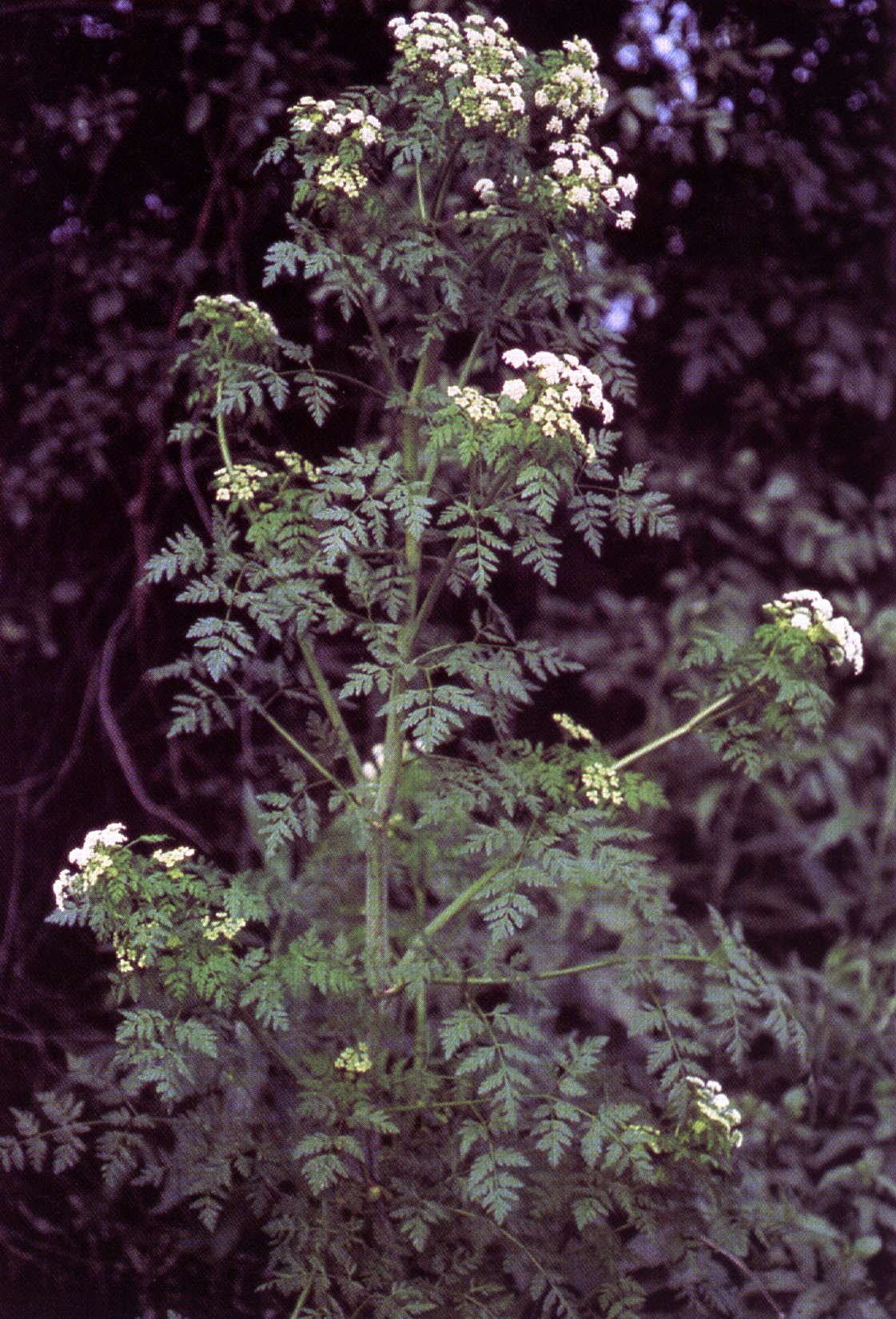
Hemlock and hemlock water dropwort are at full height now, and both are deadly. Elder's own stalks, leaves and unripe berries are poisonous: it is the flowers that are gathered.
Hawthorn or red berries on hedgerow climbers?
Poisonous
- A thorny shrub or tree with small, deeply lobed leavesClimbers that twine or scramble through the hedge, with no thorns
- Dull dark red, each with one hard stone and mealy fleshGlossy, juicy and see-through, with several seeds
- Upright bunches on woody spursStrings or loose drooping clusters along soft stems
HawthornRed berries on hedgerow climbersThree-cornered leek or bluebell, snowdrop and daffodil leaves?
Poisonous
- Onion or garlic when crushedNo onion smell
- Three sharp cornersRound or flattened
- Drooping white bells, each petal with a green stripeBlue bells, white snowdrops or yellow trumpets
Three-cornered leekBluebell, snowdrop and daffodil leaves
Also about in May: know these and leave them
Poisonous. They are here so that you can recognise them, not to gather them.




Questions about foraging in May
- What mushrooms are in season in May?
- Mushrooms in season in the UK in May include st George's mushroom, chicken of the woods, morel and jelly ear. When they fruit depends on the weather: most need a good soaking one to three weeks beforehand.
- What should foragers watch out for in May?
- Hemlock and hemlock water dropwort are at full height now, and both are deadly. Elder's own stalks, leaves and unripe berries are poisonous: it is the flowers that are gathered. Poisonous species about in May include lily of the valley, lords-and-ladies, hemlock, hemlock water-dropwort, false morel and deadly fibrecap.