What to forage in September in the UK
What can you forage in September in the UK?
In September the main things to forage in the UK are beefsteak fungus, cep (penny bun), chanterelle, chicken of the woods, crab apple and giant puffball. 33 of the species in this guide are in season: 16 mushrooms, 3 wild plants, 7 berries, fruits and nuts and 7 coastal species. Check every find with an expert before eating it.
The fullest month of the foraging year. Blackberries, elderberries, hazelnuts, crab apples and the first sloes and rosehips are all in the hedges at once, and after rain the woods are at their best: ceps, chanterelles, hedgehog fungus, bay boletes, amethyst deceivers, parasols, beefsteak fungus and hen of the woods.
At their best in September
 Beefsteak fungusFistulina hepaticaTake careAt its best
 Cep (penny bun)Boletus edulisTake careAt its best
 ChanterelleCantharellus cibariusDangerous look-alikesAt its best
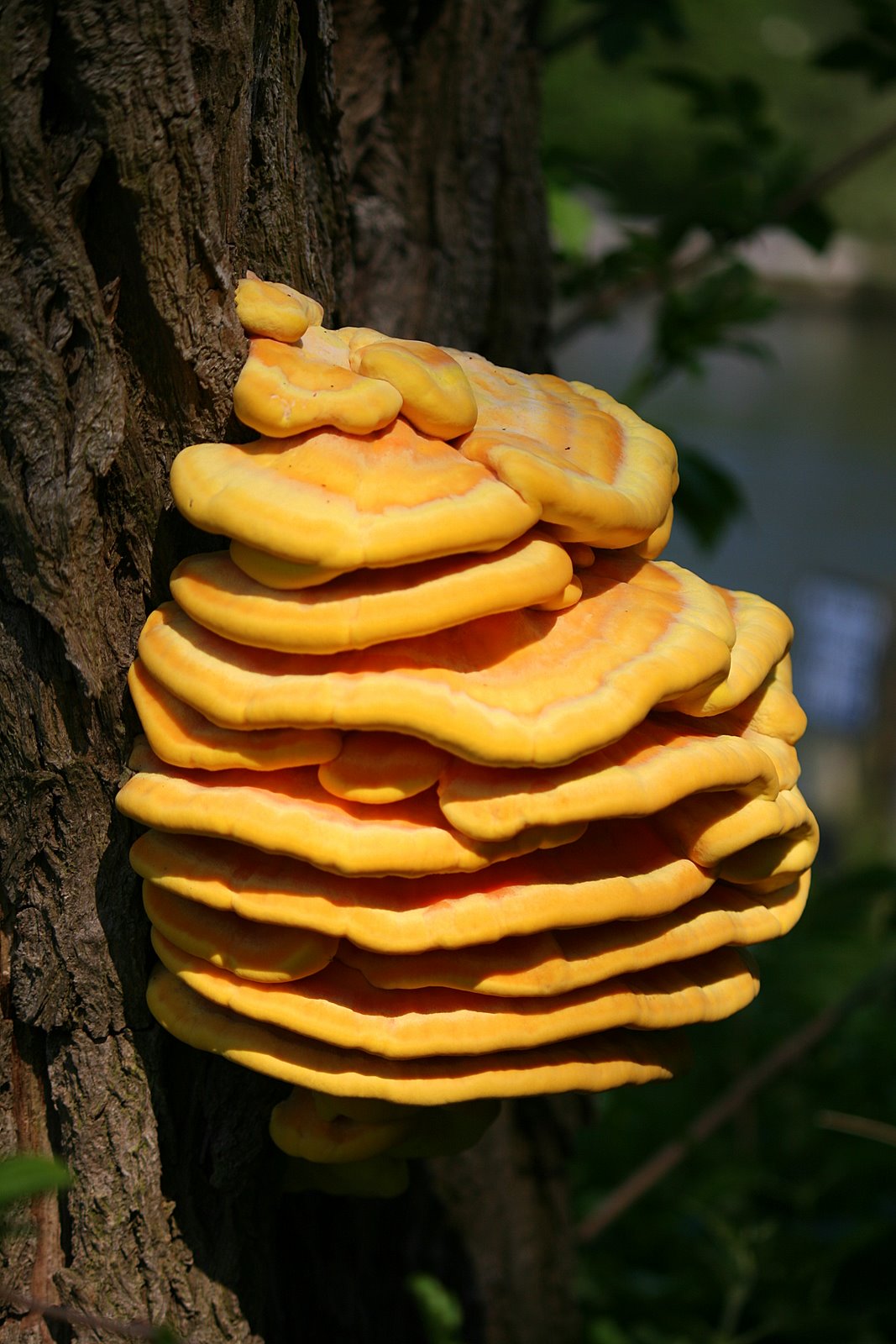 Chicken of the woodsLaetiporus sulphureusTake careAt its best
 Crab appleMalus sylvestrisCommonly foragedAt its best
 Giant puffballCalvatia giganteaTake careAt its best
 RosehipRosa canina agg.Take careAt its best
 SloePrunus spinosaTake careAt its best
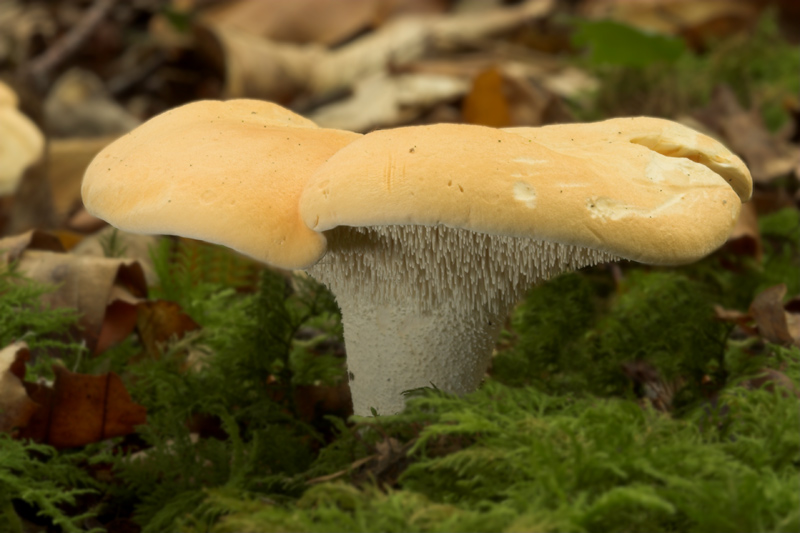 Hedgehog fungusHydnum repandumTake careAt its best
Mushrooms in September
- Beefsteak fungusFistulina hepaticaTake careAt its best
- Cep (penny bun)Boletus edulisTake careAt its best
- ChanterelleCantharellus cibariusDangerous look-alikesAt its best
- Chicken of the woodsLaetiporus sulphureusTake careAt its best
- Giant puffballCalvatia giganteaTake careAt its best
- Hedgehog fungusHydnum repandumTake careAt its best
 Field mushroomAgaricus campestrisDangerous look-alikesAt its best
 Trumpet chanterelleCraterellus tubaeformisDangerous look-alikesAt its best
 Bay boleteImleria badiaTake careAt its best
 Horse mushroomAgaricus arvensisDangerous look-alikesAt its best
 ParasolMacrolepiota proceraDangerous look-alikesStarting
 Oyster mushroomPleurotus ostreatusTake careStarting
 Hen of the woodsGrifola frondosaTake careStarting
 Amethyst deceiverLaccaria amethystinaDangerous look-alikesStarting
 Shaggy inkcapCoprinus comatusTake careStarting
 Liberty capPsilocybe semilanceataIllegal to pickStarting
 Jelly earAuricularia auricula-judaeTake careStarting
Plants in September


Berries & Nuts in September
- Crab appleMalus sylvestrisCommonly foragedAt its best
- RosehipRosa canina agg.Take careAt its best
- SloePrunus spinosaTake careAt its best
 HazelnutCorylus avellanaCommonly foragedAt its best
 BlackberryRubus fruticosus agg.Commonly foragedAt its best
 ElderberrySambucus nigraTake careAt its best
 BilberryVaccinium myrtillusTake careNearly over
Coastal in September
 Marsh samphireSalicornia europaea agg.Commonly foragedAt its best
 DulsePalmaria palmataTake careAt its best
 KelpLaminaria digitataTake careAt its best
 LaverPorphyra umbilicalisTake careAll year
 Rock samphireCrithmum maritimumTake careAt its best
 Sea purslaneAtriplex portulacoidesCommonly foragedAll year
 Sea beetBeta vulgaris subsp. maritimaCommonly foragedAt its best
Where to look
Old mixed woodland with moss underfoot, a fortnight after heavy rain. For nuts and fruit, the sunny side of an old hedge.
The south and the coast usually run a week or two ahead of the north and the hills. The seasonal calendar shows every species across the whole year.
Take care in September
It is also the month when most poisonings happen. Learn the death cap, the destroying angel and the deadly webcap before anything else, and keep each species in a bag of its own until you have checked it at home.

Field mushroom or yellow stainer?
Poisonous
- White, sometimes faintly pinkTurns bright chrome yellow at once
- Pleasant and mushroomyInk, carbolic or disinfectant, stronger when warmed
- Rounded, 4-10 cmOften flat-topped, 5-15 cm; the edge yellows when rubbed
- Thin and fragile, soon goneLarge and hanging, with a thick double edge
- Open, grazed pastureParks, gardens, hedges and wood edges
Field mushroomYellow stainer
Giant puffball or death cap?
Poisonous
- Solid, even white flesh with no pattern in itThe outline of a small mushroom inside: cap, gills and stem
- Football-sized when readyThe 'egg' is the size of a hen's egg
- Open grassland and hedge bottomsUnder oak and beech
Giant puffballDeath cap
Also about in September: know these and leave them
Poisonous. They are here so that you can recognise them, not to gather them.
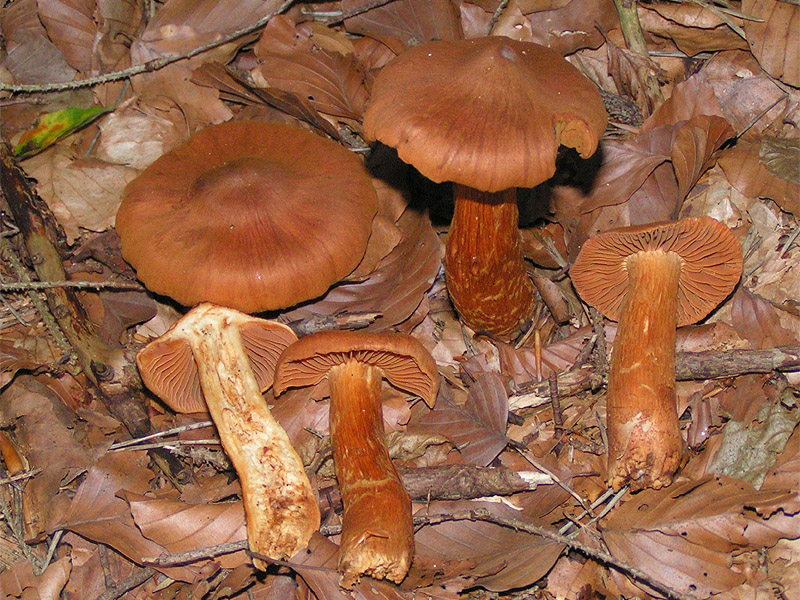 Deadly webcapCortinarius rubellusPoisonous
 Destroying angelAmanita virosaPoisonous
 Horse chestnutAesculus hippocastanumPoisonous
- Death capAmanita phalloidesPoisonous
 Common earthballScleroderma citrinumPoisonous
 Deadly nightshadeAtropa belladonnaPoisonous
 Panther capAmanita pantherinaPoisonous
 Lilac fibrecapInocybe lilacinaPoisonous
 Fly agaricAmanita muscariaPoisonous
- Yellow stainerAgaricus xanthodermusPoisonous
 Lords-and-ladiesArum maculatumPoisonous
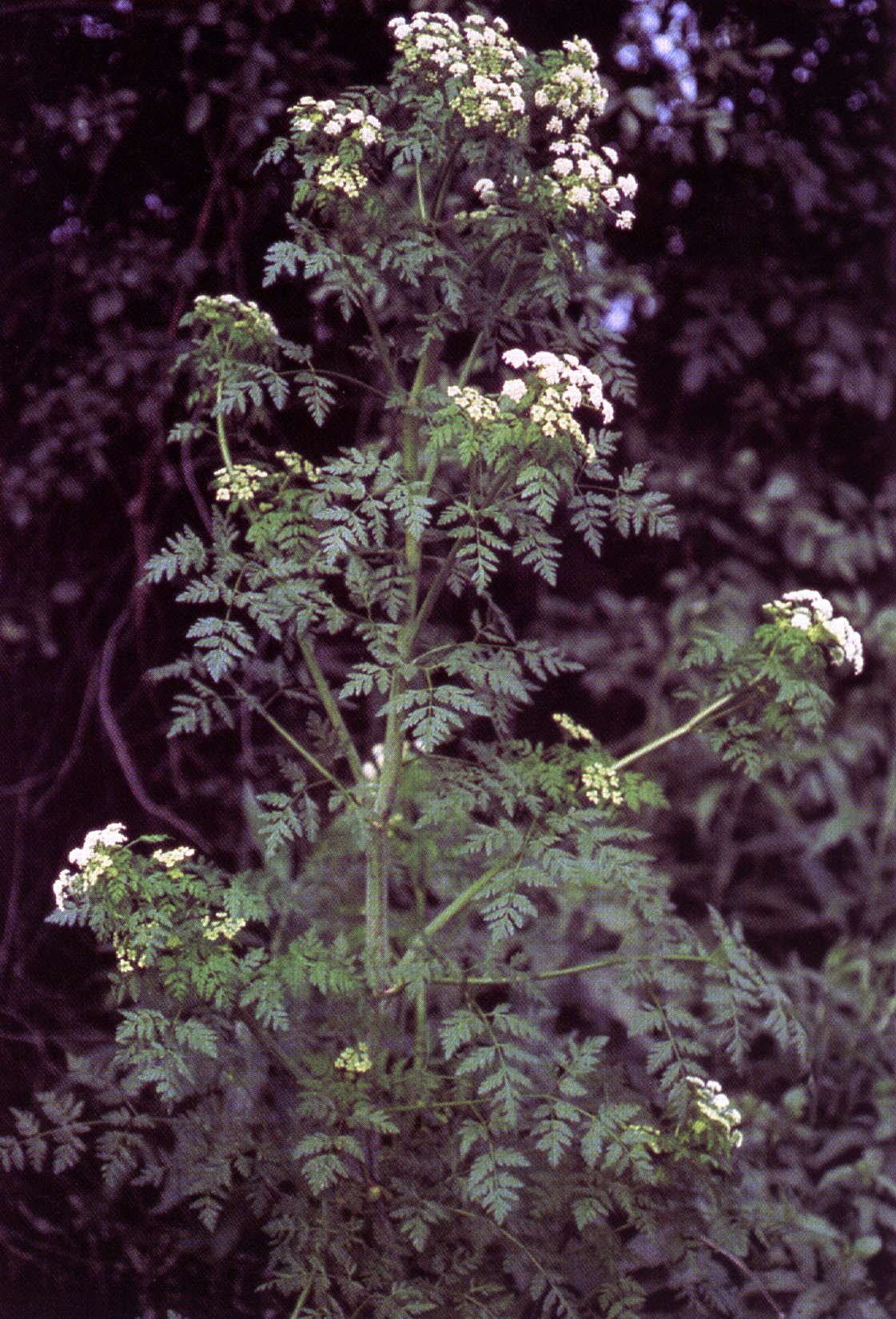 HemlockConium maculatumPoisonous
 Hemlock water-dropwortOenanthe crocataPoisonous
 Lily of the valleyConvallaria majalisPoisonous
 Deadly fibrecapInosperma erubescensPoisonous
 Fool's funnelClitocybe rivulosaPoisonous
 Funeral bellGalerina marginataPoisonous
Questions about foraging in September
- What mushrooms are in season in September?
- Mushrooms in season in the UK in September include beefsteak fungus, cep (penny bun), chanterelle, chicken of the woods, giant puffball, hedgehog fungus, field mushroom, trumpet chanterelle, bay bolete and horse mushroom. When they fruit depends on the weather: most need a good soaking one to three weeks beforehand.
- What should foragers watch out for in September?
- It is also the month when most poisonings happen. Learn the death cap, the destroying angel and the deadly webcap before anything else, and keep each species in a bag of its own until you have checked it at home. Poisonous species about in September include deadly webcap, destroying angel, horse chestnut, death cap, common earthball and deadly nightshade.