What to forage in October in the UK
What can you forage in October in the UK?
In October the main things to forage in the UK are amethyst deceiver, bay bolete, field mushroom, hedgehog fungus, hen of the woods and horse mushroom. 34 of the species in this guide are in season: 19 mushrooms, 3 wild plants, 7 berries, fruits and nuts and 5 coastal species. Check every find with an expert before eating it.
The peak of the mushroom season, and the month for nuts. Sweet chestnuts fall from the middle of the month, sloes and rosehips are ready, and the woods hold ceps, hedgehog fungus, trumpet chanterelles and the last chanterelles. Wood blewits start with the first cold nights, and oyster mushrooms return to dead hardwood.
At their best in October
 Amethyst deceiverLaccaria amethystinaDangerous look-alikesAt its best
 Bay boleteImleria badiaTake careAt its best
 Field mushroomAgaricus campestrisDangerous look-alikesAt its best
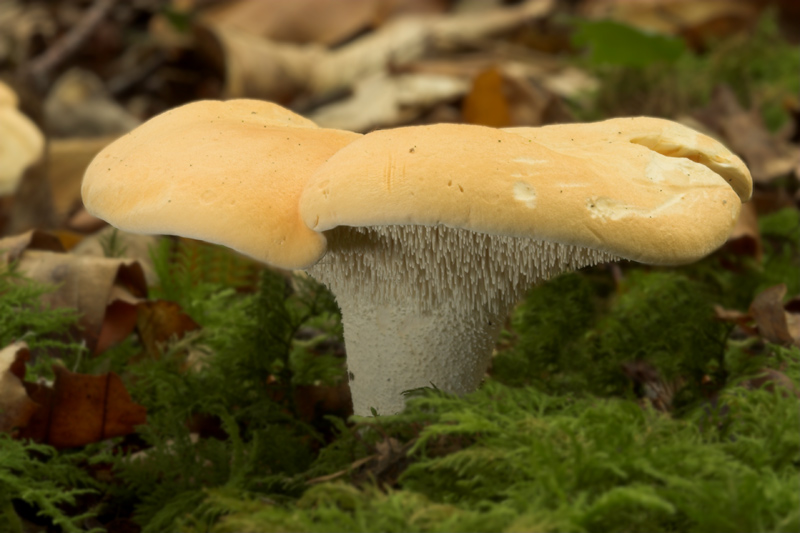 Hedgehog fungusHydnum repandumTake careAt its best
 Hen of the woodsGrifola frondosaTake careAt its best
 Horse mushroomAgaricus arvensisDangerous look-alikesAt its best
 ParasolMacrolepiota proceraDangerous look-alikesAt its best
 Shaggy inkcapCoprinus comatusTake careAt its best
 Sweet chestnutCastanea sativaTake careAt its best
Mushrooms in October
- Amethyst deceiverLaccaria amethystinaDangerous look-alikesAt its best
- Bay boleteImleria badiaTake careAt its best
- Field mushroomAgaricus campestrisDangerous look-alikesAt its best
- Hedgehog fungusHydnum repandumTake careAt its best
- Hen of the woodsGrifola frondosaTake careAt its best
- Horse mushroomAgaricus arvensisDangerous look-alikesAt its best
- ParasolMacrolepiota proceraDangerous look-alikesAt its best
- Shaggy inkcapCoprinus comatusTake careAt its best
 Trumpet chanterelleCraterellus tubaeformisDangerous look-alikesAt its best
 Liberty capPsilocybe semilanceataIllegal to pickAt its best
 Jelly earAuricularia auricula-judaeTake careAt its best
 Oyster mushroomPleurotus ostreatusTake careAt its best
 Cep (penny bun)Boletus edulisTake careAt its best
 Wood blewitLepista nudaDangerous look-alikesAt its best
 Giant puffballCalvatia giganteaTake careAt its best
 Field blewitLepista personataDangerous look-alikesStarting
 Beefsteak fungusFistulina hepaticaTake careNearly over
 ChanterelleCantharellus cibariusDangerous look-alikesNearly over
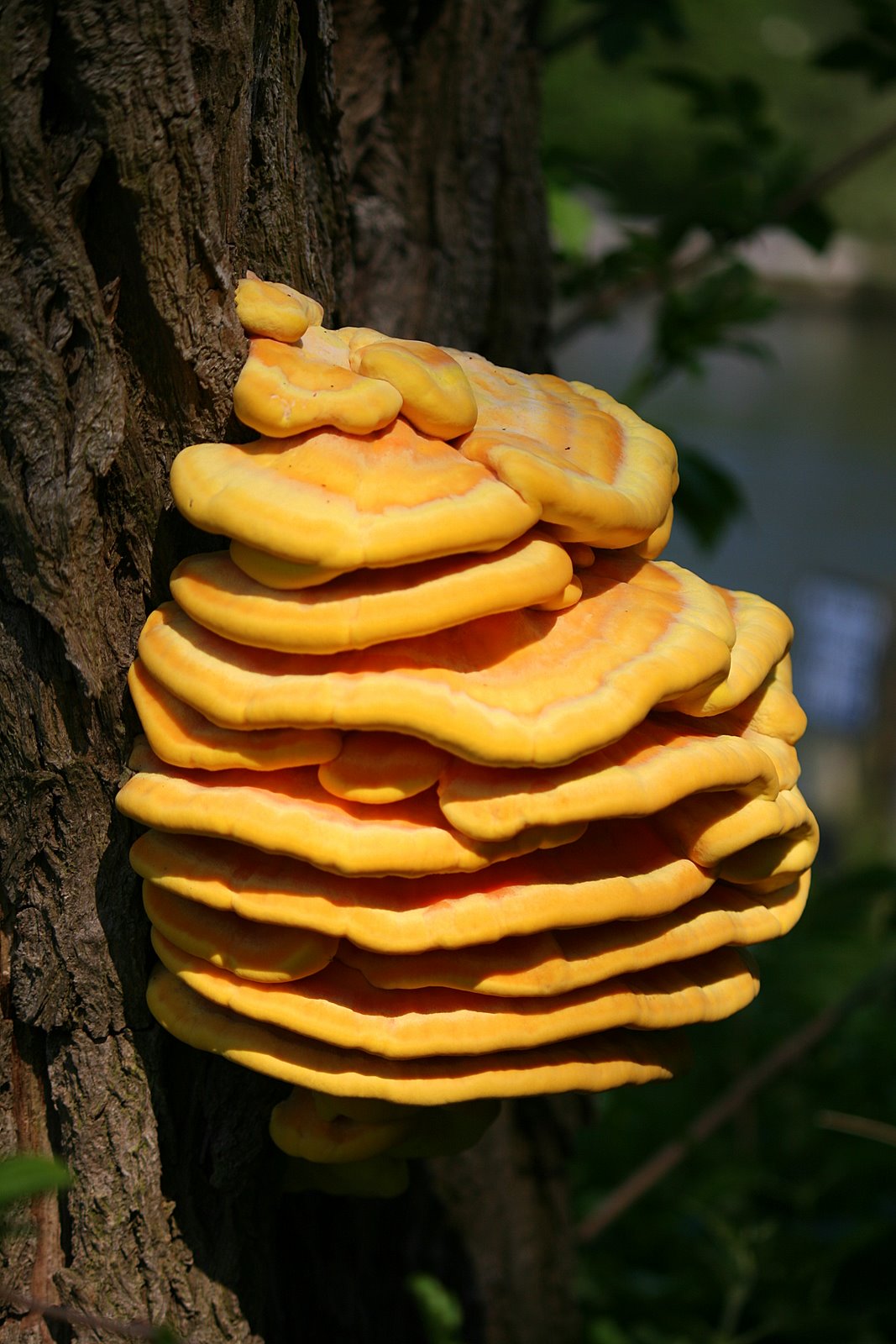 Chicken of the woodsLaetiporus sulphureusTake careNearly over
 Velvet shankFlammulina velutipesDangerous look-alikesStarting
Plants in October


Berries & Nuts in October
- Sweet chestnutCastanea sativaTake careAt its best
 Crab appleMalus sylvestrisCommonly foragedAt its best
 SloePrunus spinosaTake careAt its best
 RosehipRosa canina agg.Take careAt its best
 HazelnutCorylus avellanaCommonly foragedNearly over
 ElderberrySambucus nigraTake careNearly over
 BlackberryRubus fruticosus agg.Commonly foragedNearly over
Coastal in October


Where to look
Under sweet chestnut in southern parks and woods after a windy night; conifer and beech woods on acid soil for trumpet chanterelles, which hide in plain sight among fallen leaves.
The south and the coast usually run a week or two ahead of the north and the hills. The seasonal calendar shows every species across the whole year.
Take care in October
Horse chestnuts (conkers) are poisonous and fall at the same time as sweet chestnuts. The sweet chestnut's husk is a dense hedgehog of fine spines; the conker's has a few stout ones. The funeral bell and the deadly webcap are both about.

Field mushroom or yellow stainer?
Poisonous
- White, sometimes faintly pinkTurns bright chrome yellow at once
- Pleasant and mushroomyInk, carbolic or disinfectant, stronger when warmed
- Rounded, 4-10 cmOften flat-topped, 5-15 cm; the edge yellows when rubbed
- Thin and fragile, soon goneLarge and hanging, with a thick double edge
- Open, grazed pastureParks, gardens, hedges and wood edges
Field mushroomYellow stainer
Giant puffball or death cap?
Poisonous
- Solid, even white flesh with no pattern in itThe outline of a small mushroom inside: cap, gills and stem
- Football-sized when readyThe 'egg' is the size of a hen's egg
- Open grassland and hedge bottomsUnder oak and beech
Giant puffballDeath cap
Also about in October: know these and leave them
Poisonous. They are here so that you can recognise them, not to gather them.
 Common earthballScleroderma citrinumPoisonous
- Death capAmanita phalloidesPoisonous
 Fly agaricAmanita muscariaPoisonous
 Fool's funnelClitocybe rivulosaPoisonous
 Funeral bellGalerina marginataPoisonous
 Lilac fibrecapInocybe lilacinaPoisonous
 Panther capAmanita pantherinaPoisonous
- Yellow stainerAgaricus xanthodermusPoisonous
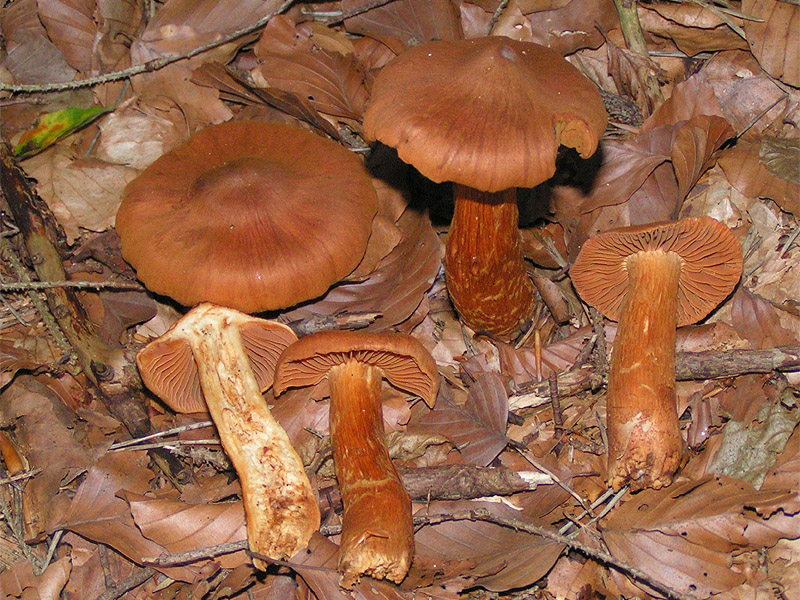 Deadly webcapCortinarius rubellusPoisonous
 Deadly fibrecapInosperma erubescensPoisonous
 Hemlock water-dropwortOenanthe crocataPoisonous
 Destroying angelAmanita virosaPoisonous
 Horse chestnutAesculus hippocastanumPoisonous
 Deadly nightshadeAtropa belladonnaPoisonous
Questions about foraging in October
- What mushrooms are in season in October?
- Mushrooms in season in the UK in October include amethyst deceiver, bay bolete, field mushroom, hedgehog fungus, hen of the woods, horse mushroom, parasol, shaggy inkcap, trumpet chanterelle and jelly ear. When they fruit depends on the weather: most need a good soaking one to three weeks beforehand.
- What should foragers watch out for in October?
- Horse chestnuts (conkers) are poisonous and fall at the same time as sweet chestnuts. The sweet chestnut's husk is a dense hedgehog of fine spines; the conker's has a few stout ones. The funeral bell and the deadly webcap are both about. Poisonous species about in October include common earthball, death cap, fly agaric, fool's funnel, funeral bell and lilac fibrecap.